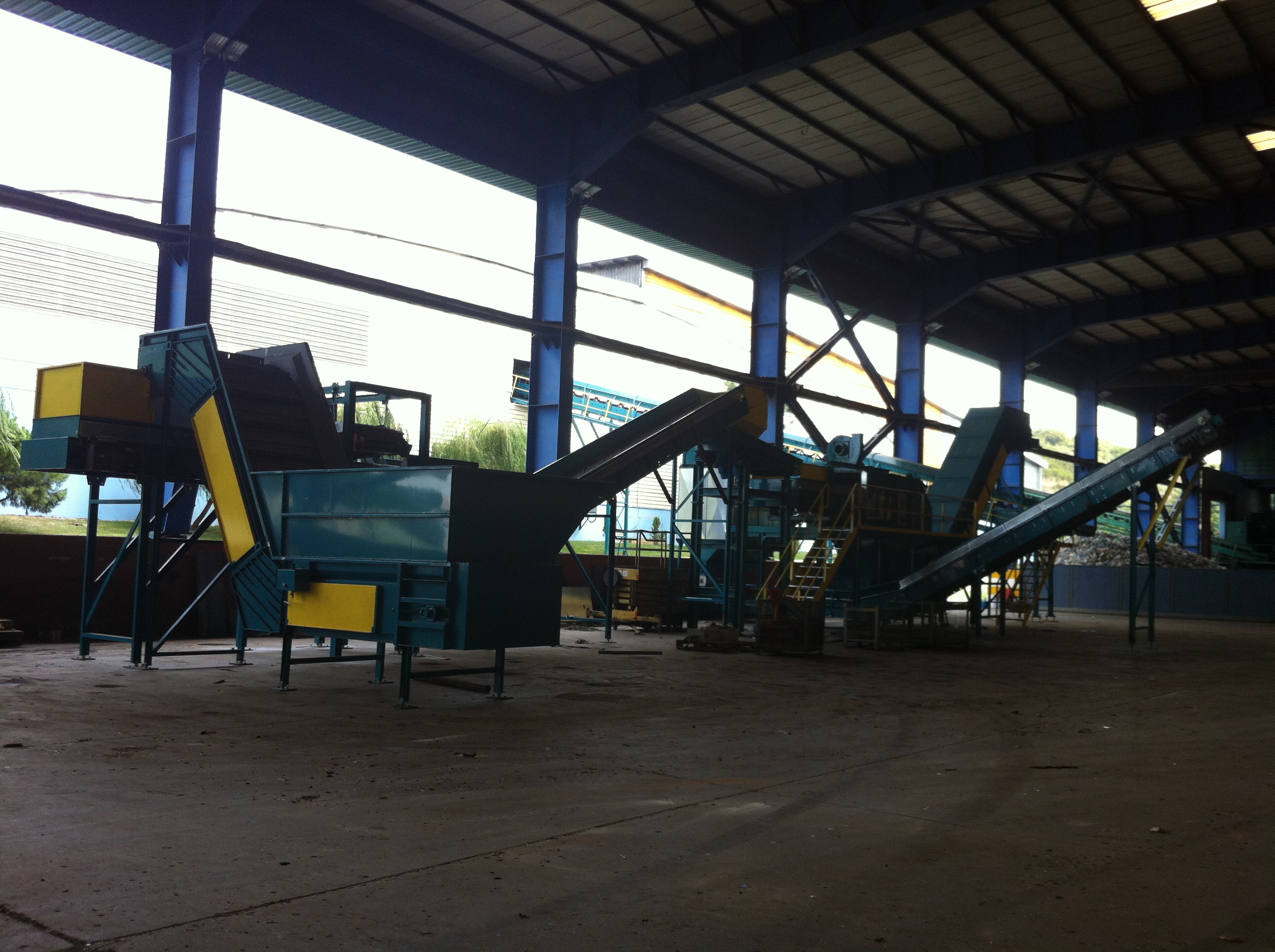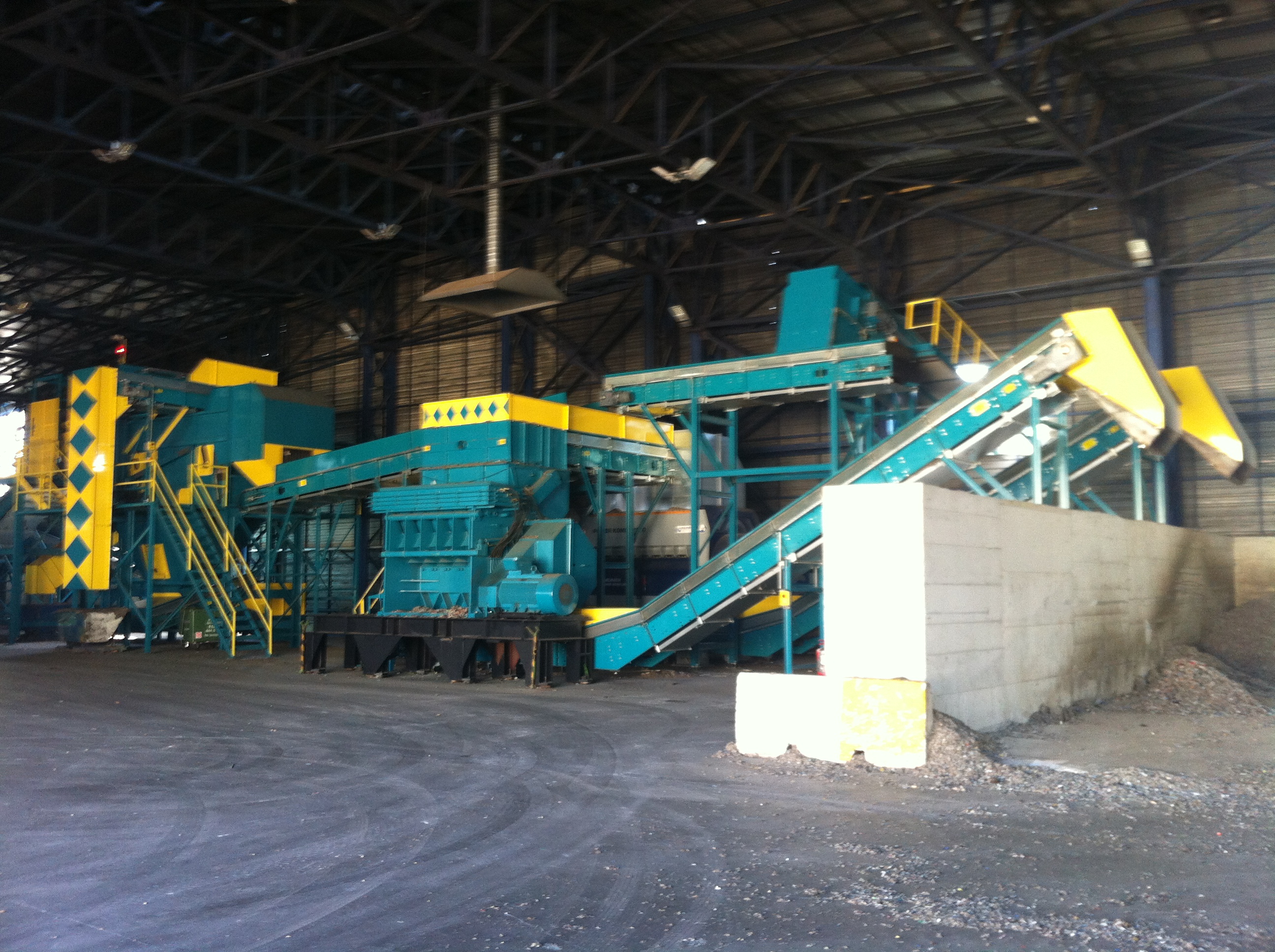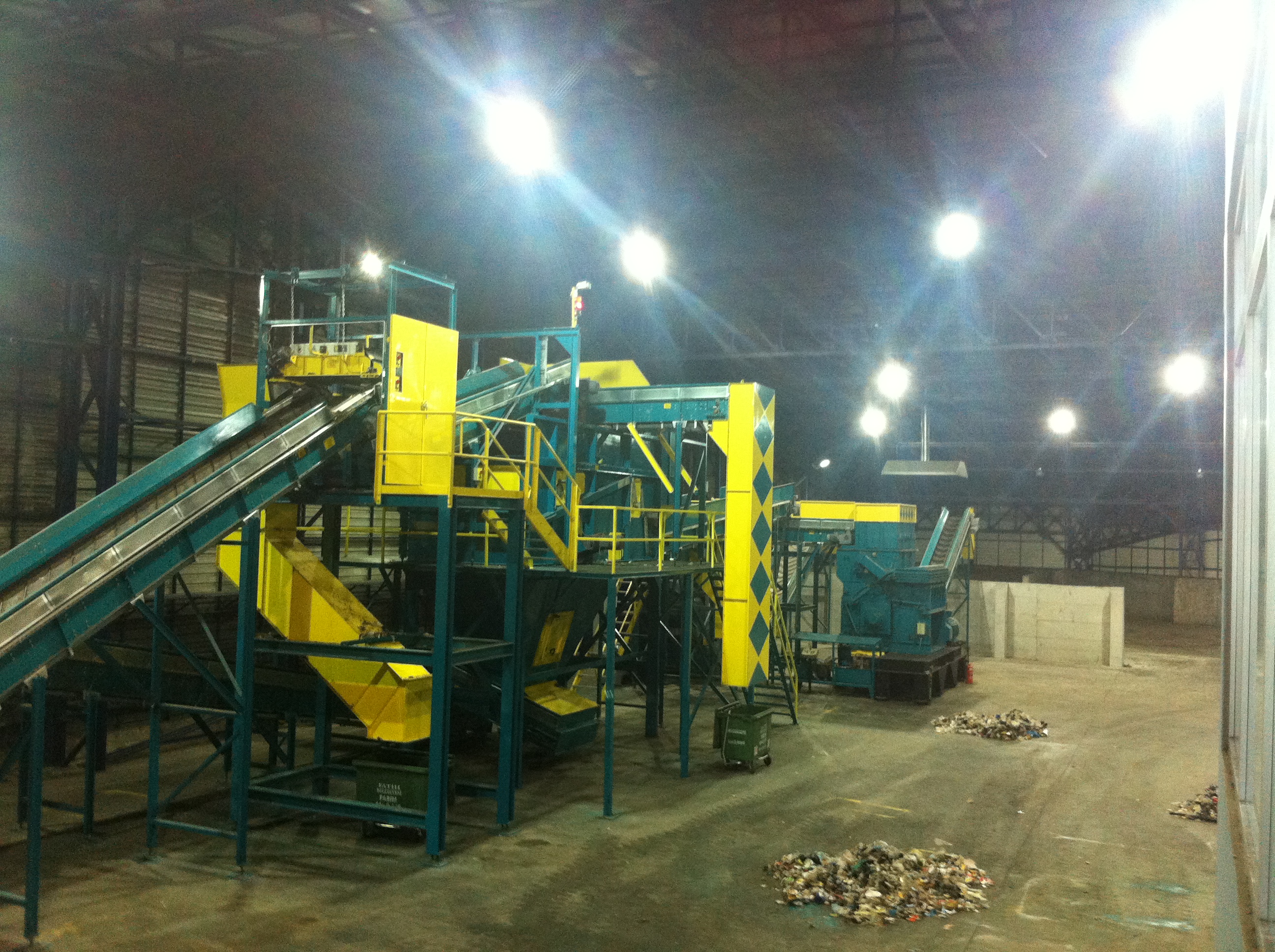
RDF (Refuse-Derived Fuel) Production Facility
See it running
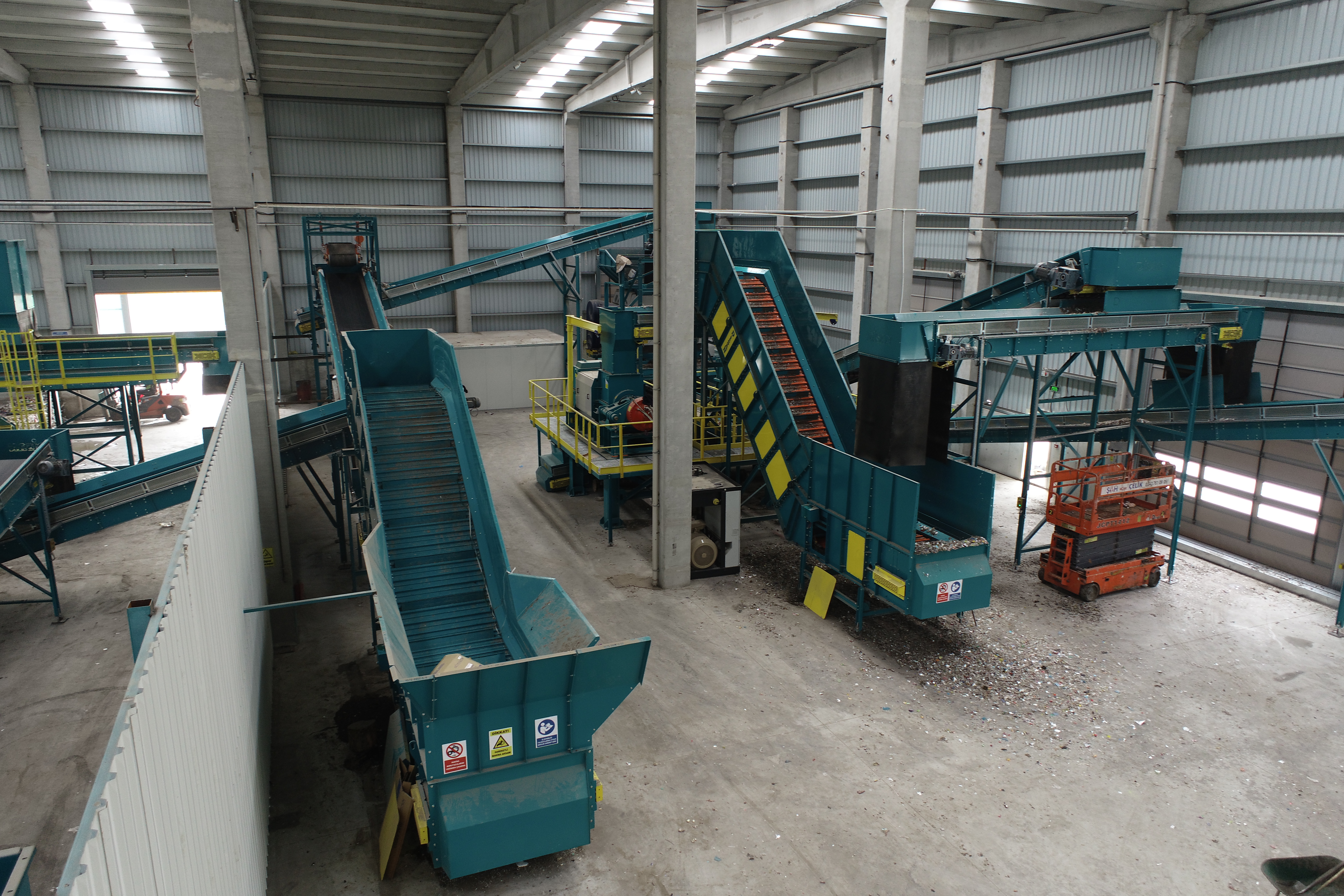
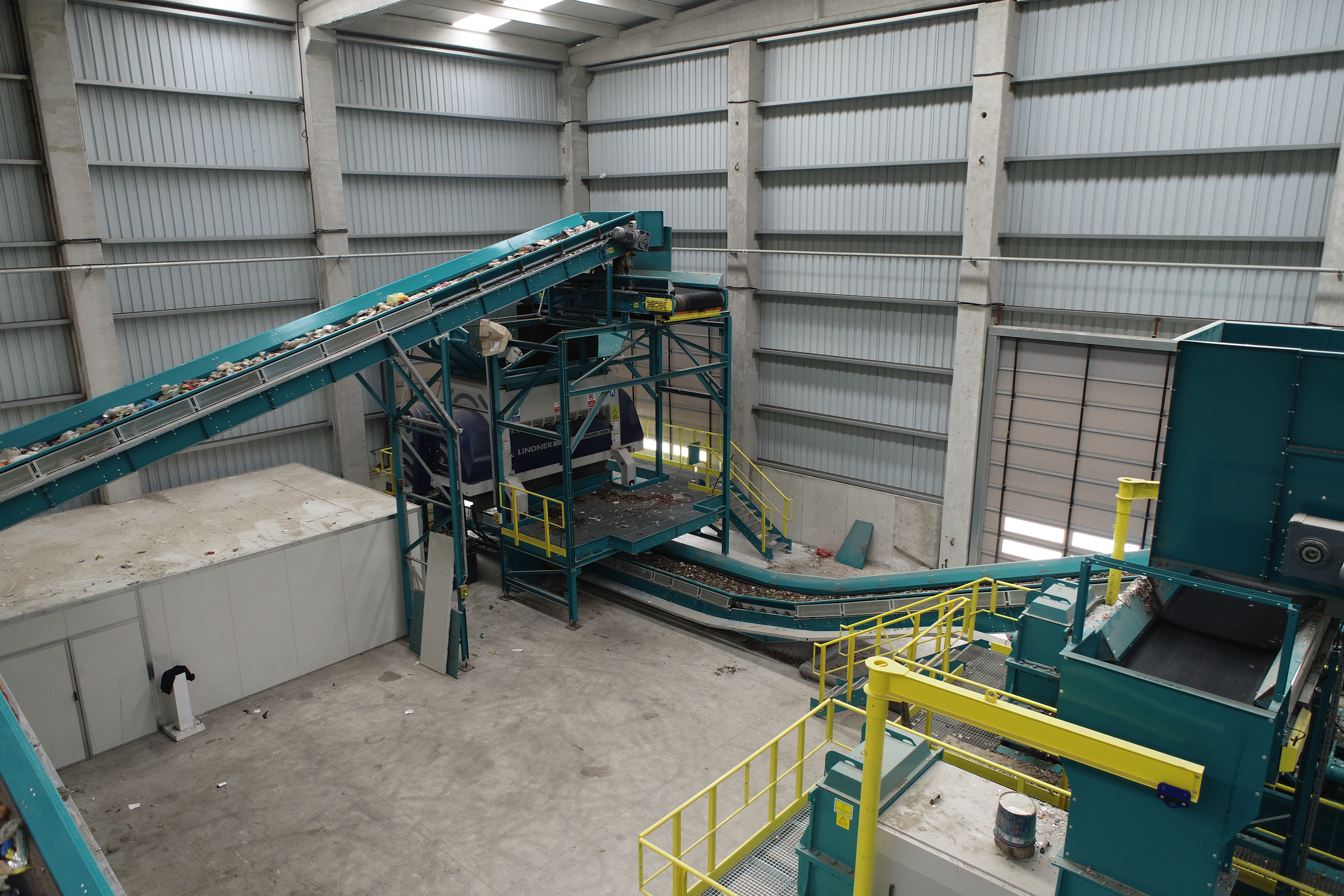
RDF facilities (Refuse-Derived Fuel plants) convert waste into a valuable energy source, reducing landfill use and preventing environmental pollution. By offering an alternative to fossil fuels, these facilities lower greenhouse gas emissions and support renewable energy initiatives. They also contribute to sustainable waste management and a circular economy by turning waste into a resource.
Highlights
- Work-Safety Compliant
- Low Maintenance Cost
- Minimum Energy Consumption
- High Wear Resistance
- High Efficiency
From intake to bale
Process steps
- 01
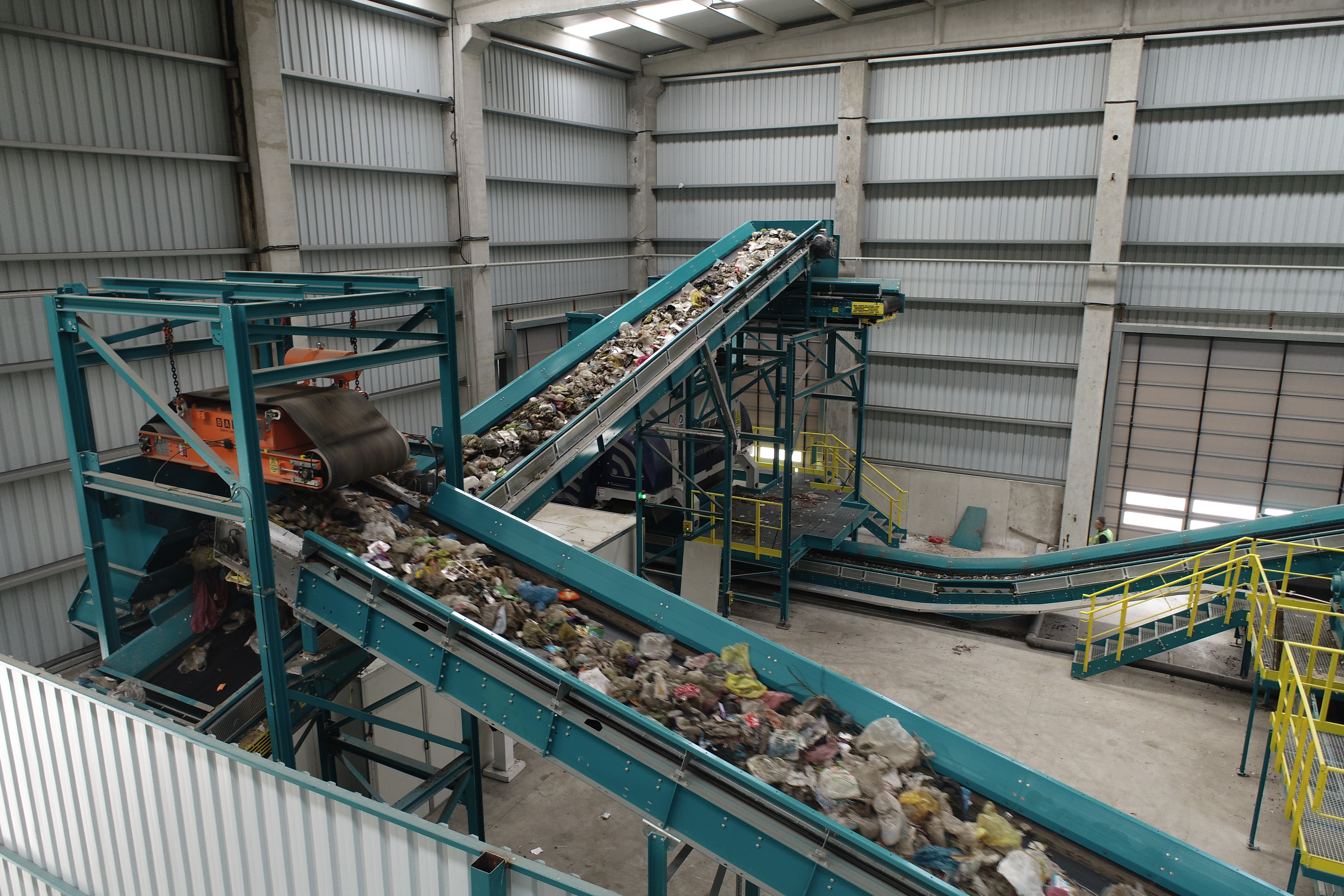
Pre-Treatment and Sorting
Waste is separated into organic, recyclable, residual, and raw RDF material
- 02
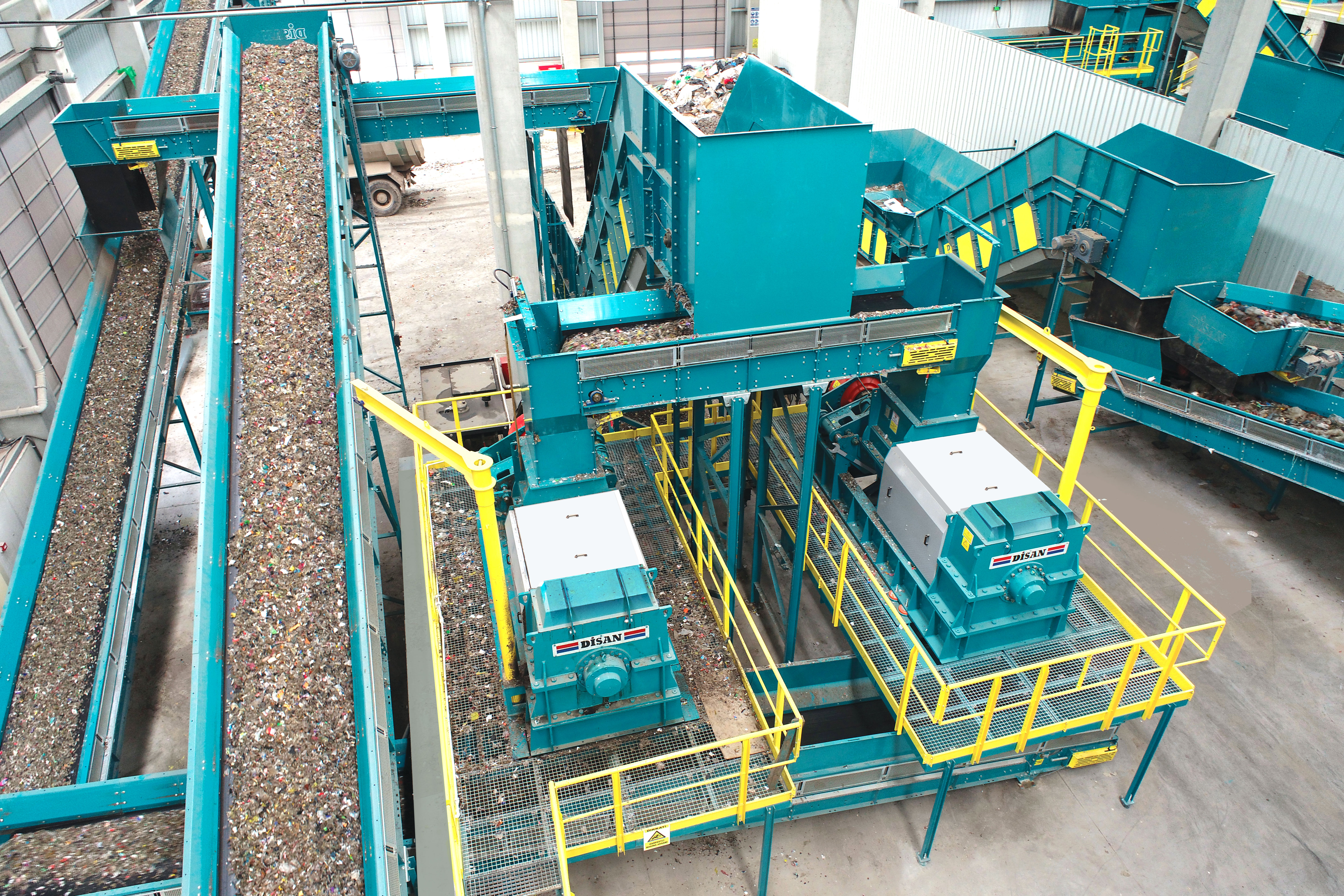
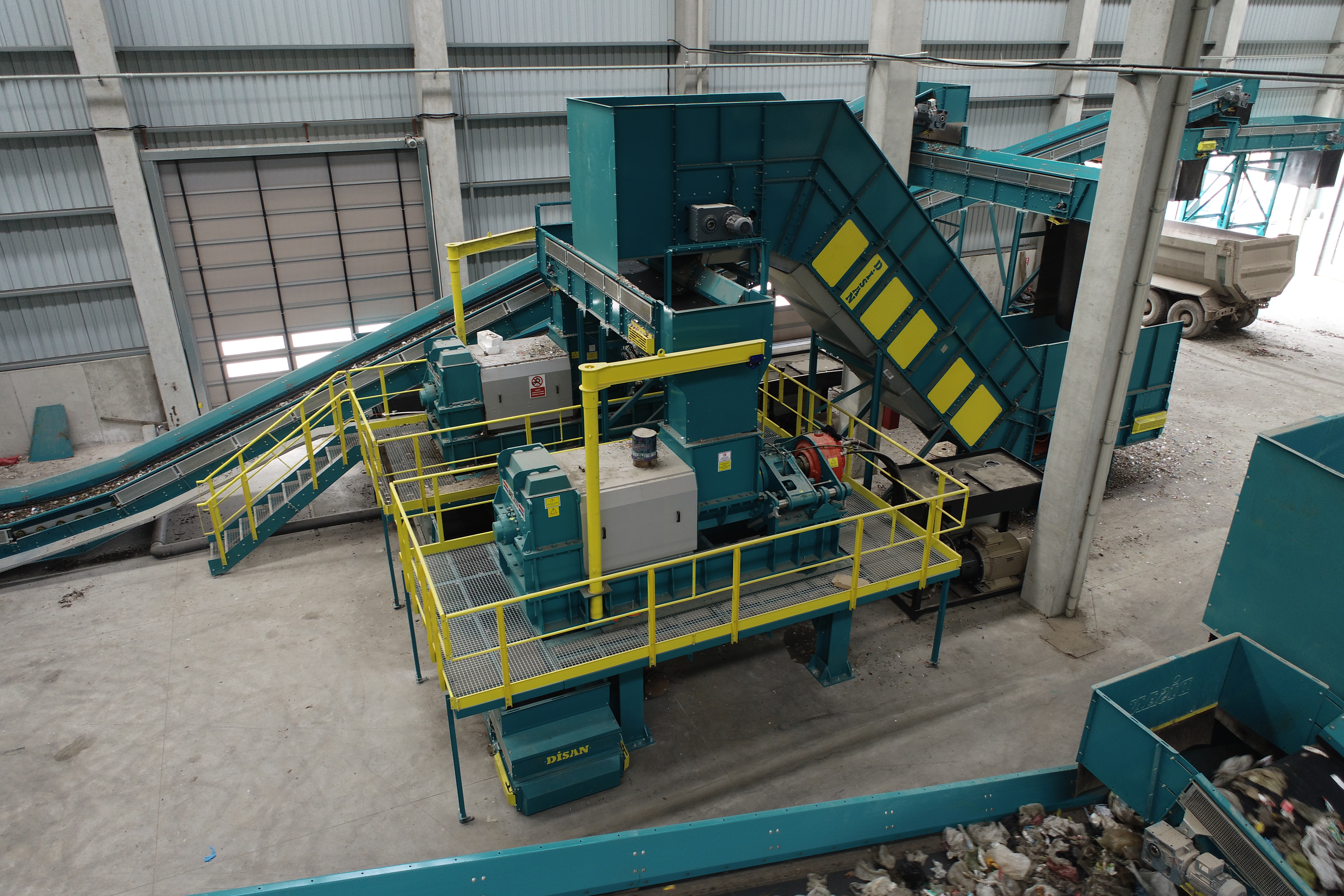
Shredding
The classified waste is shredded into smaller particles
- 03
Dewatering
The moist waste passes through a dewatering unit, losing its water content and raising its calorific value
- 04
Storage and Distribution
RDF that passes quality control is stored in suitable storage areas. It is then sent to power plants, cement factories, or other industrial facilities.
Main equipment
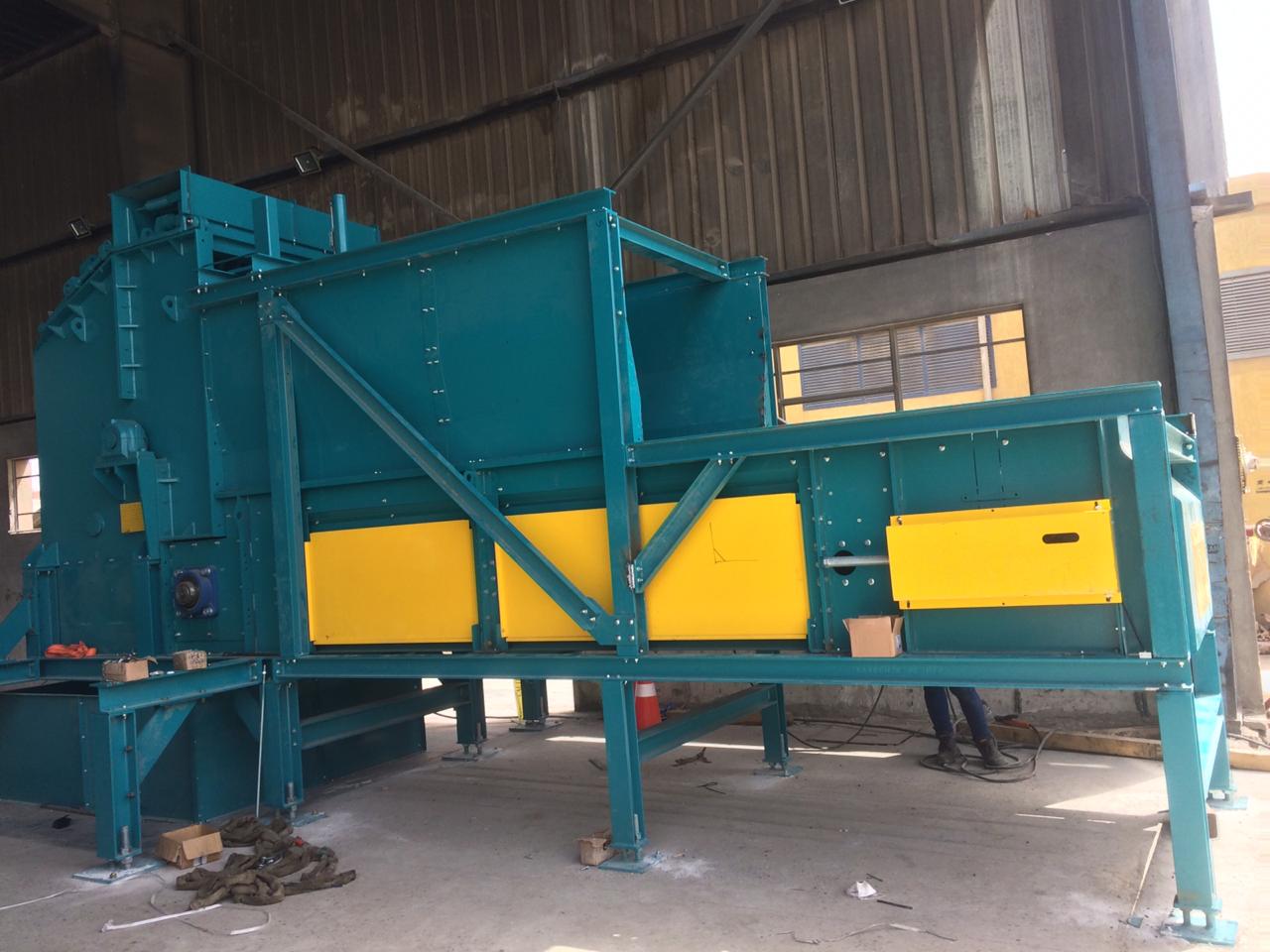
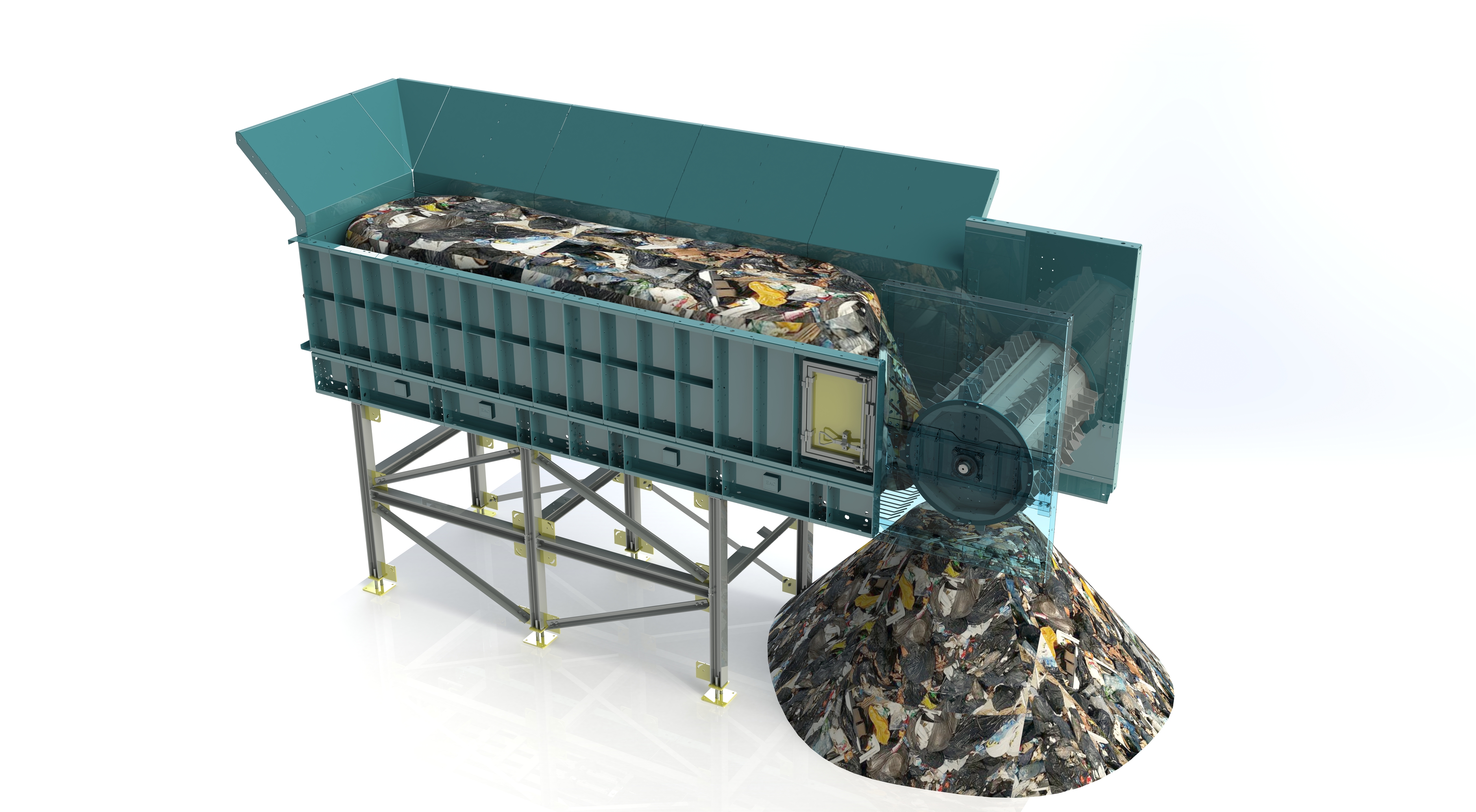
The machines used in this plant, in line order.
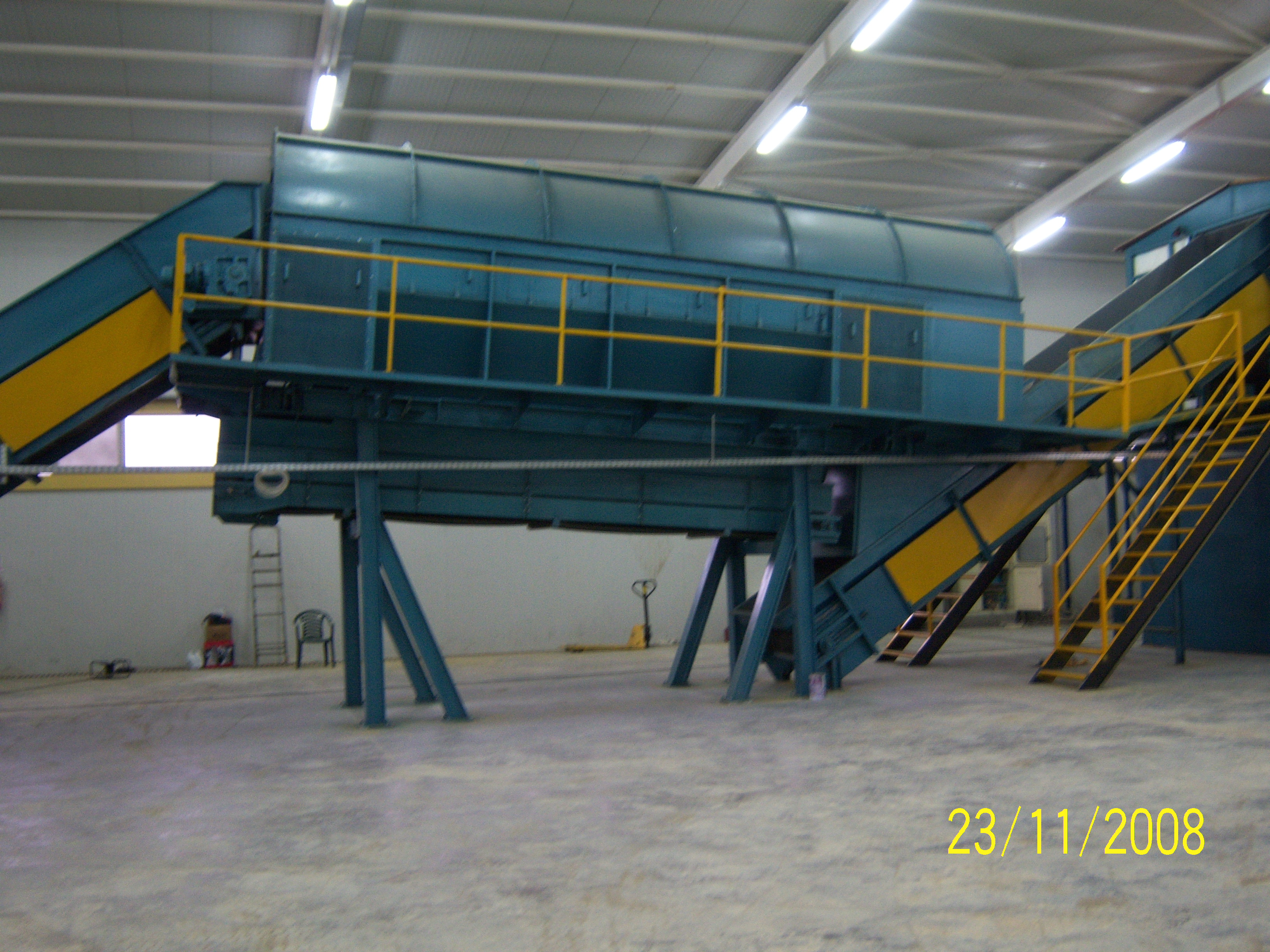
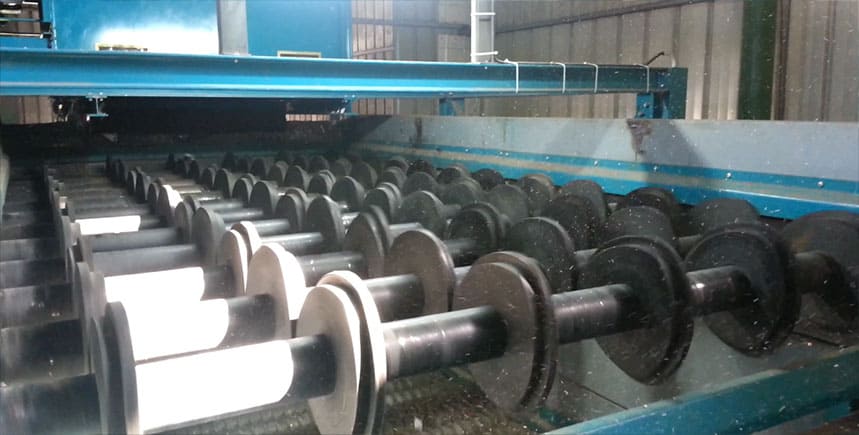
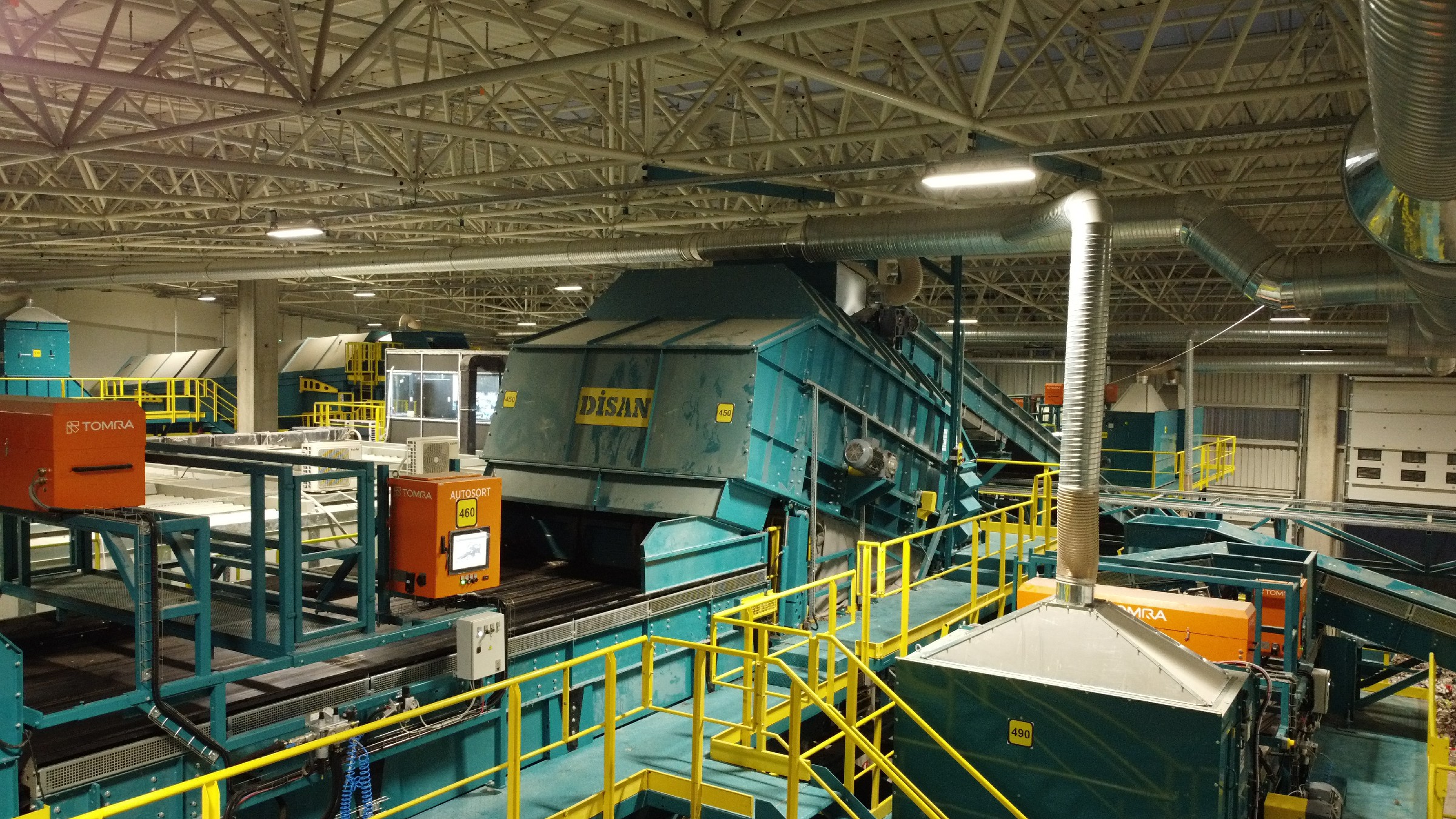
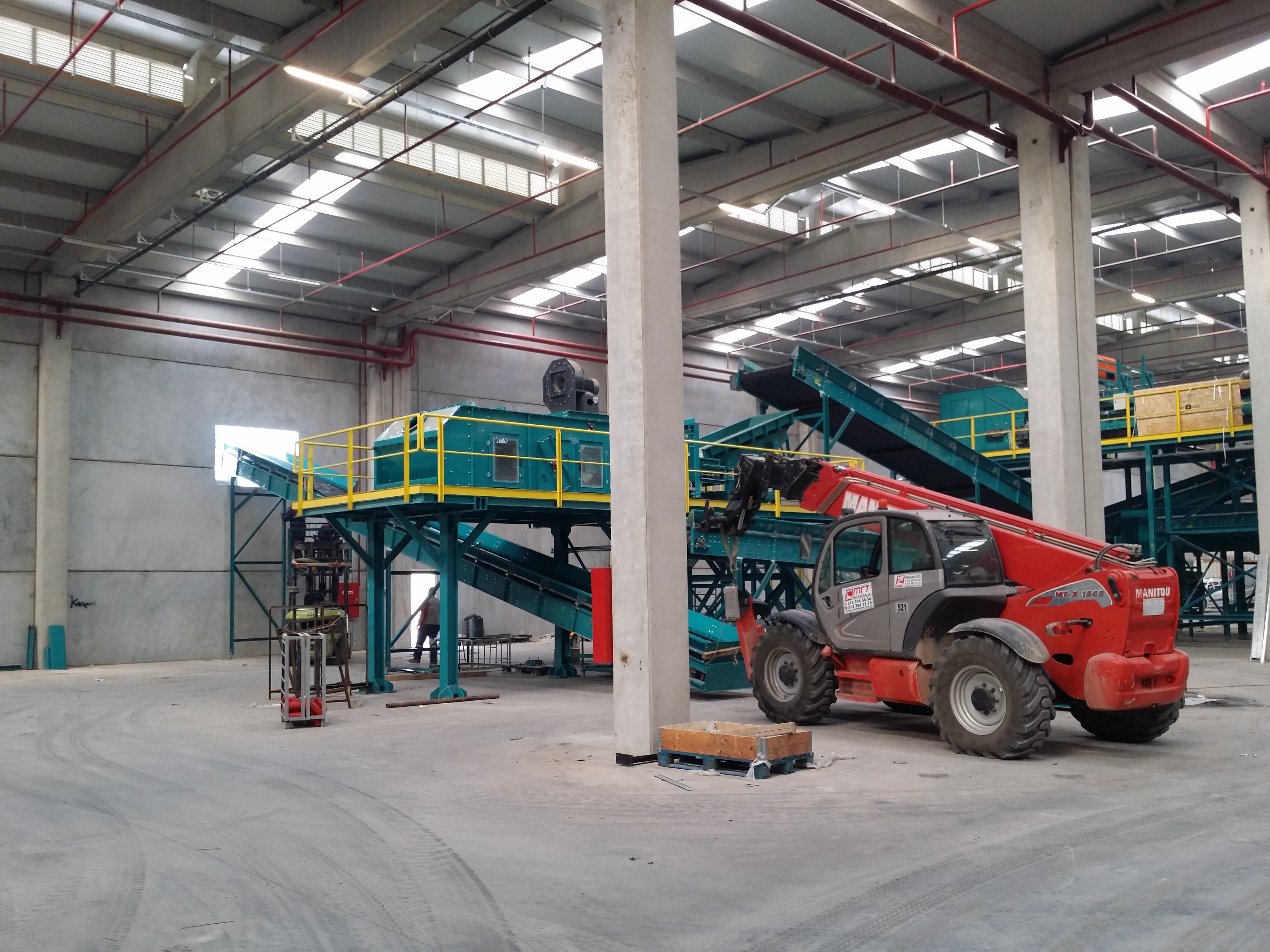
Technical catalogue
We'll send this plant's catalogue by email.
From the field