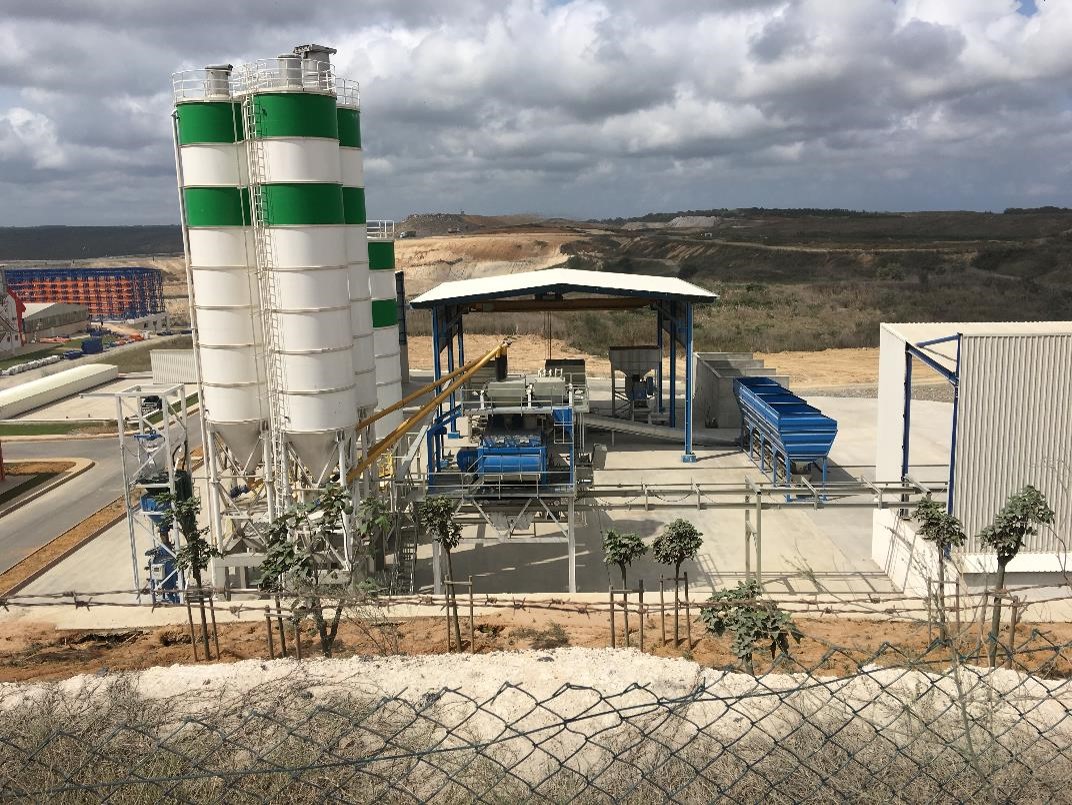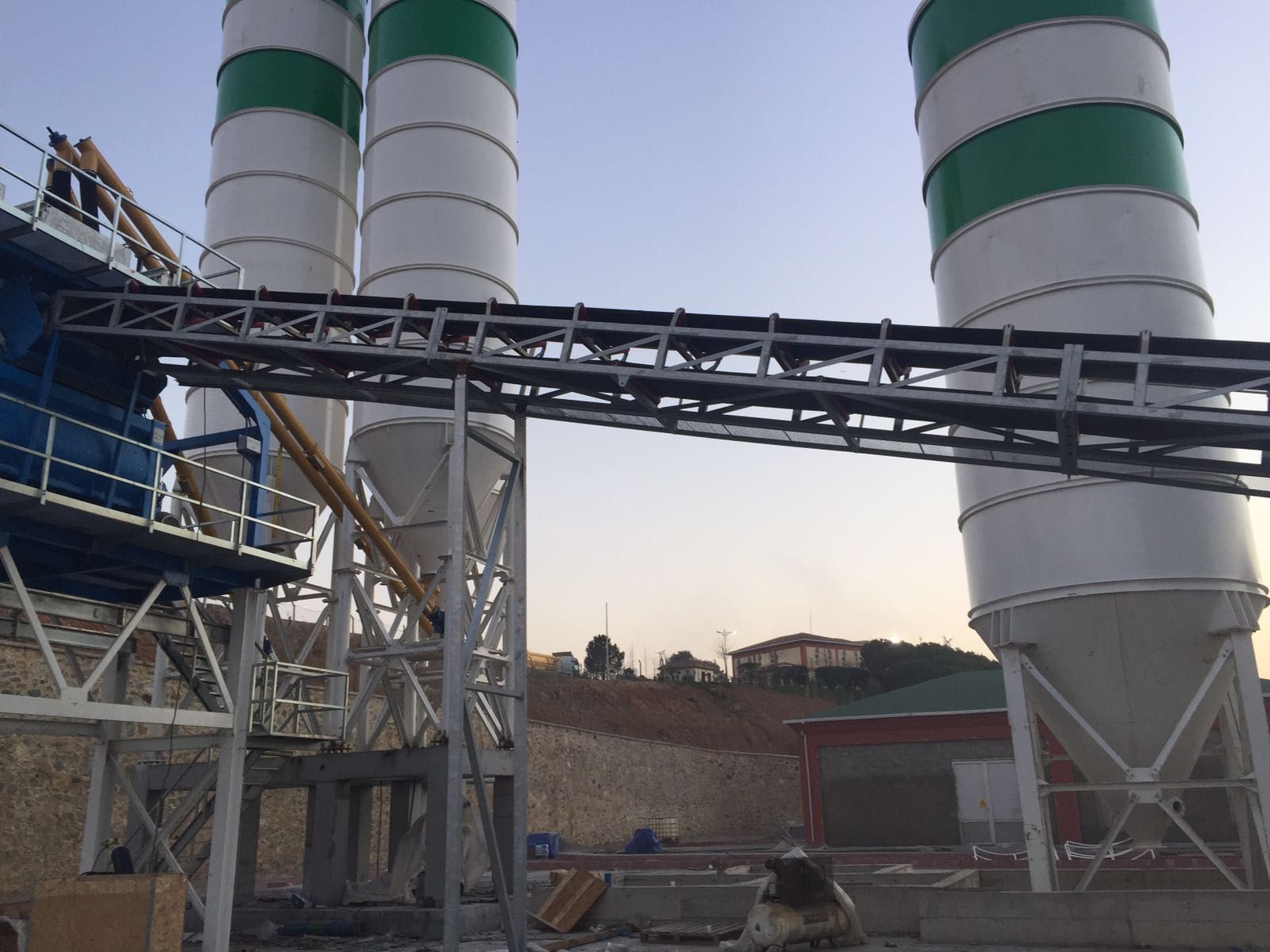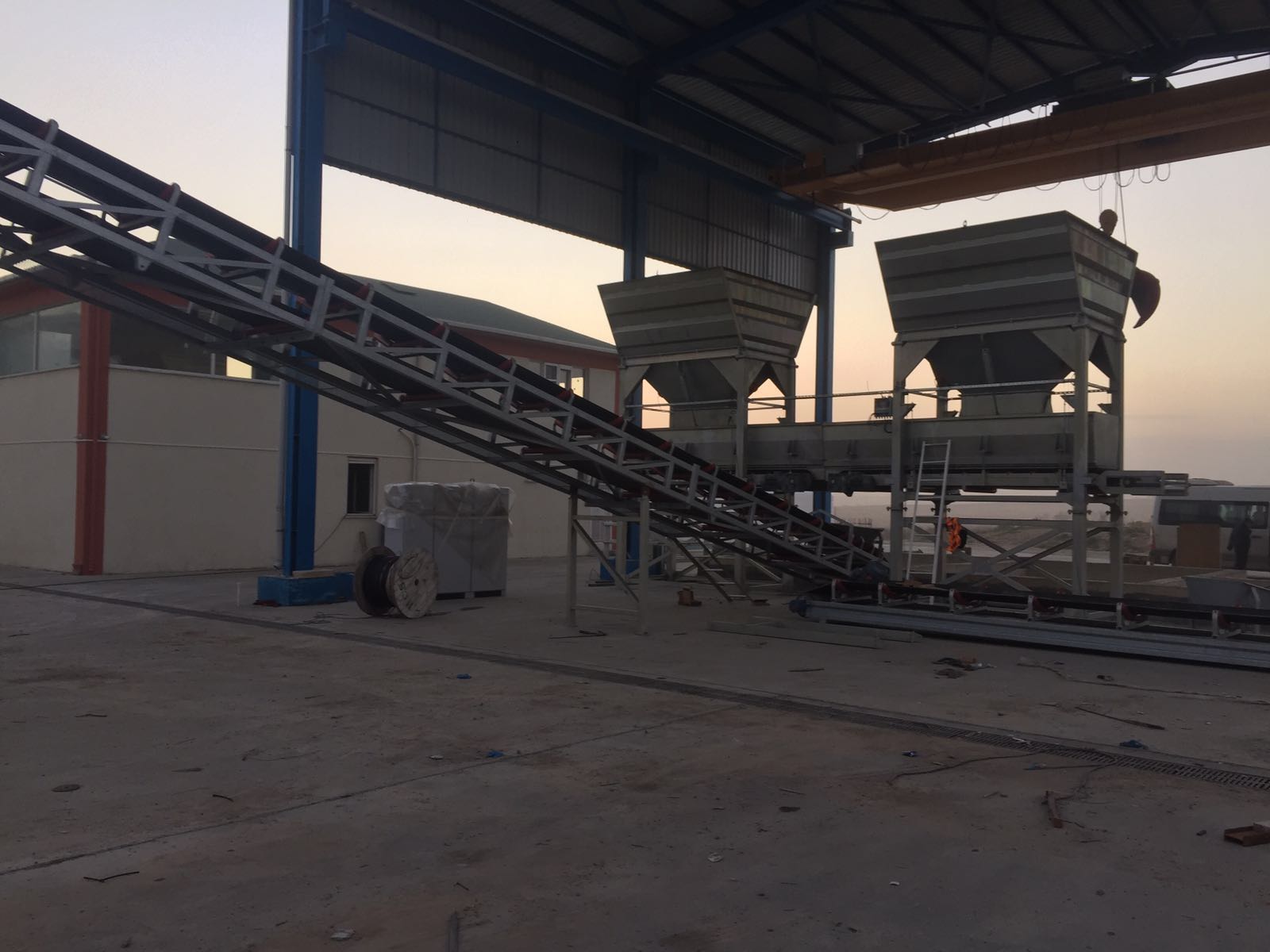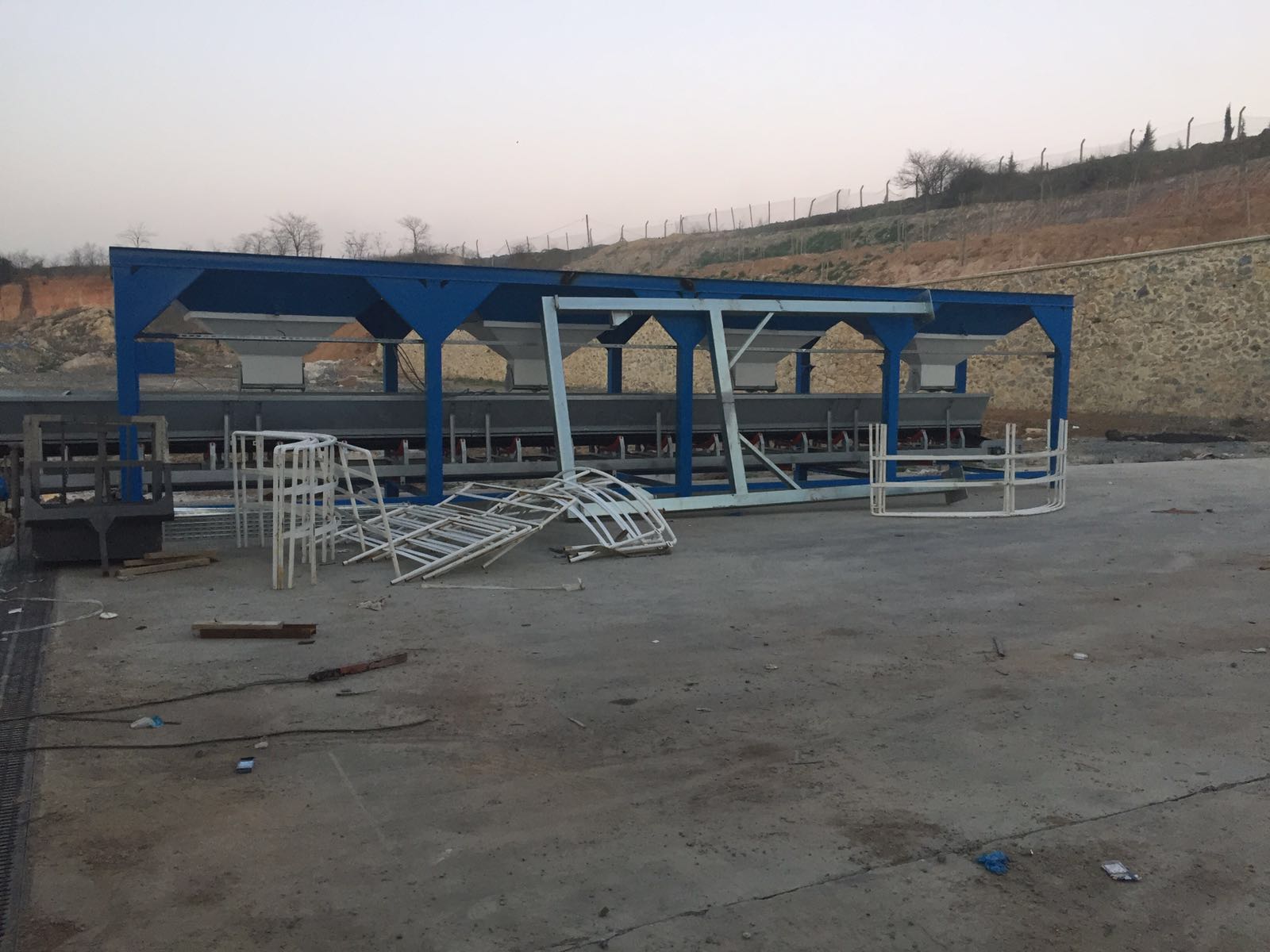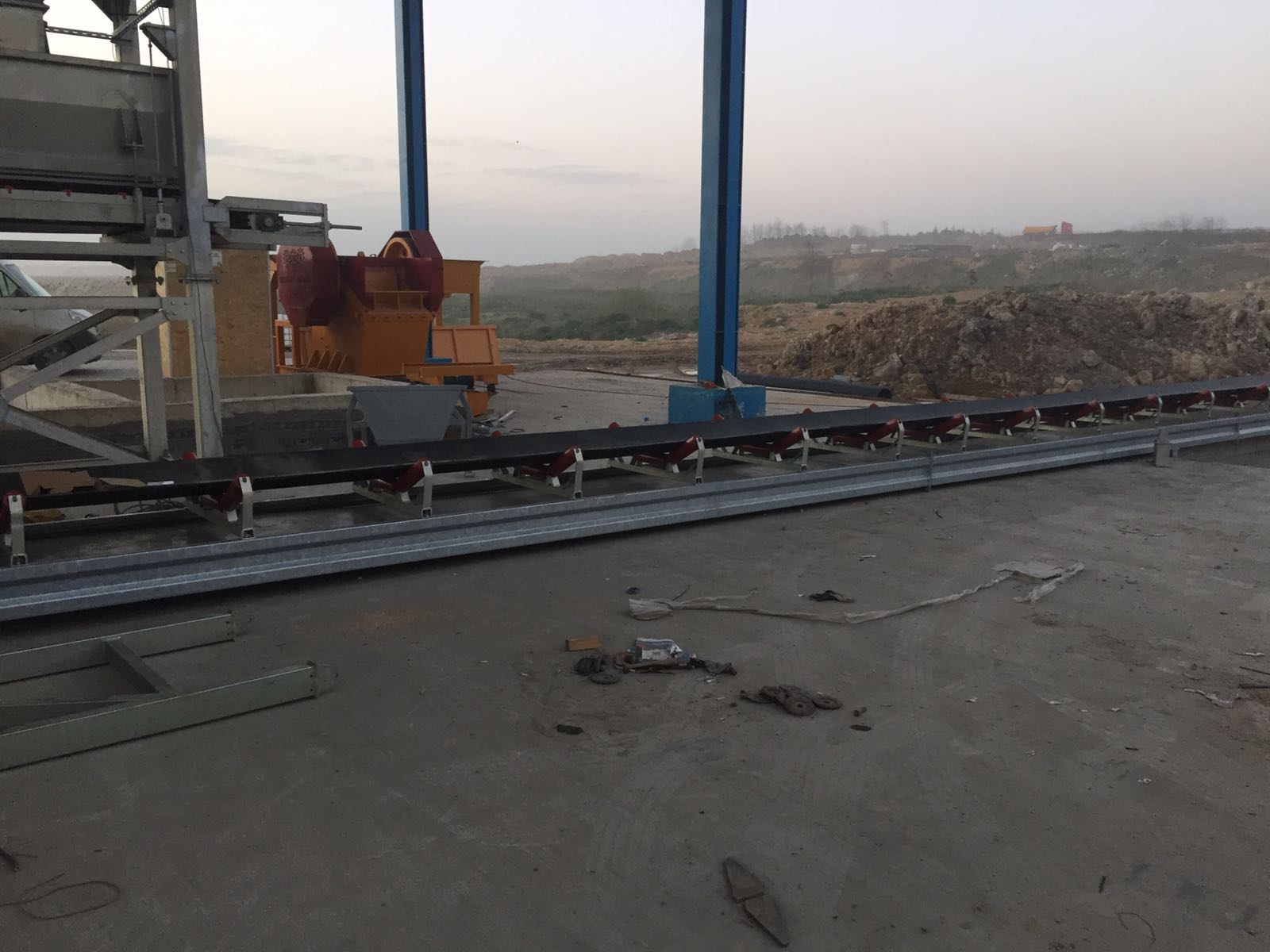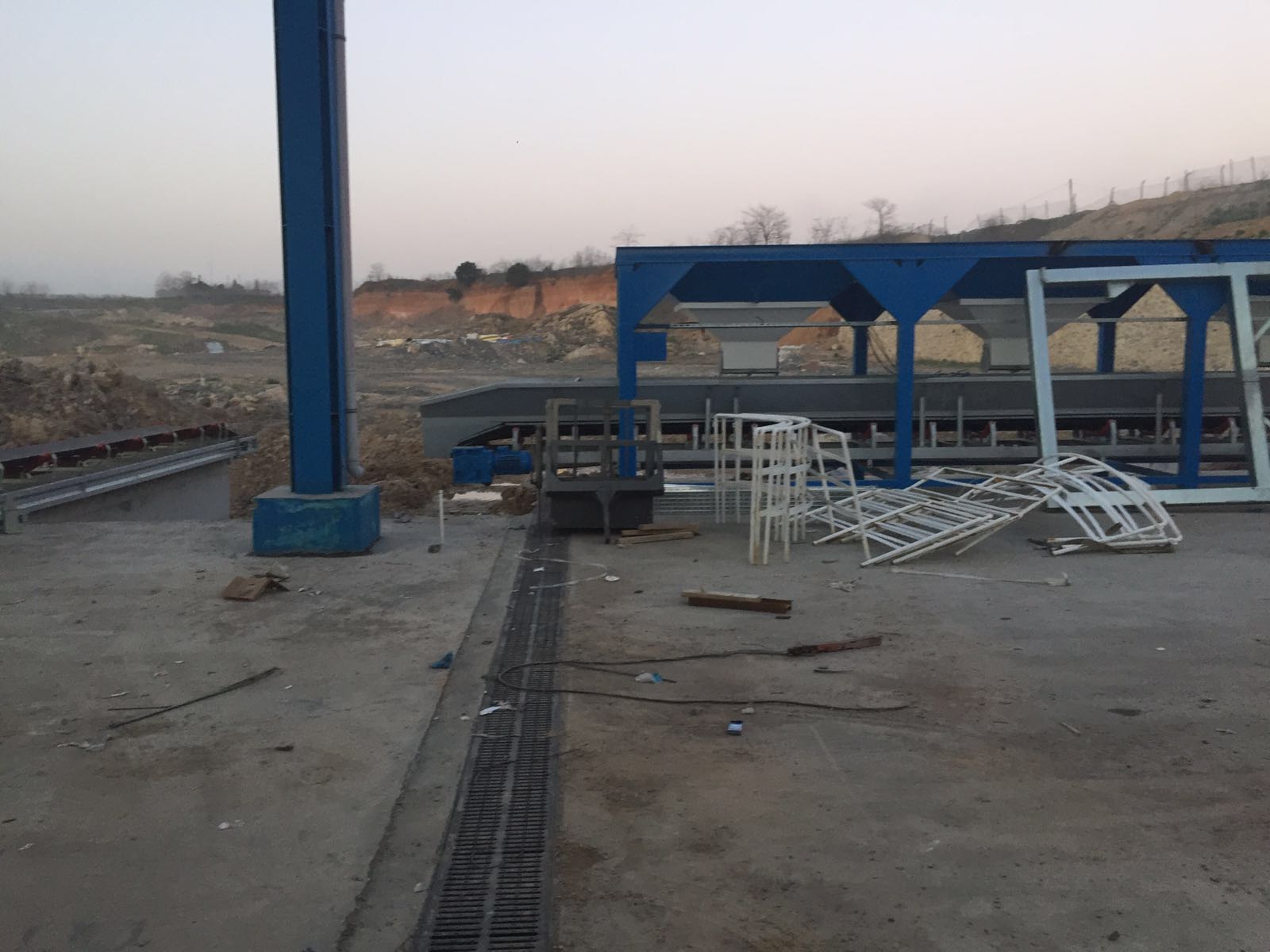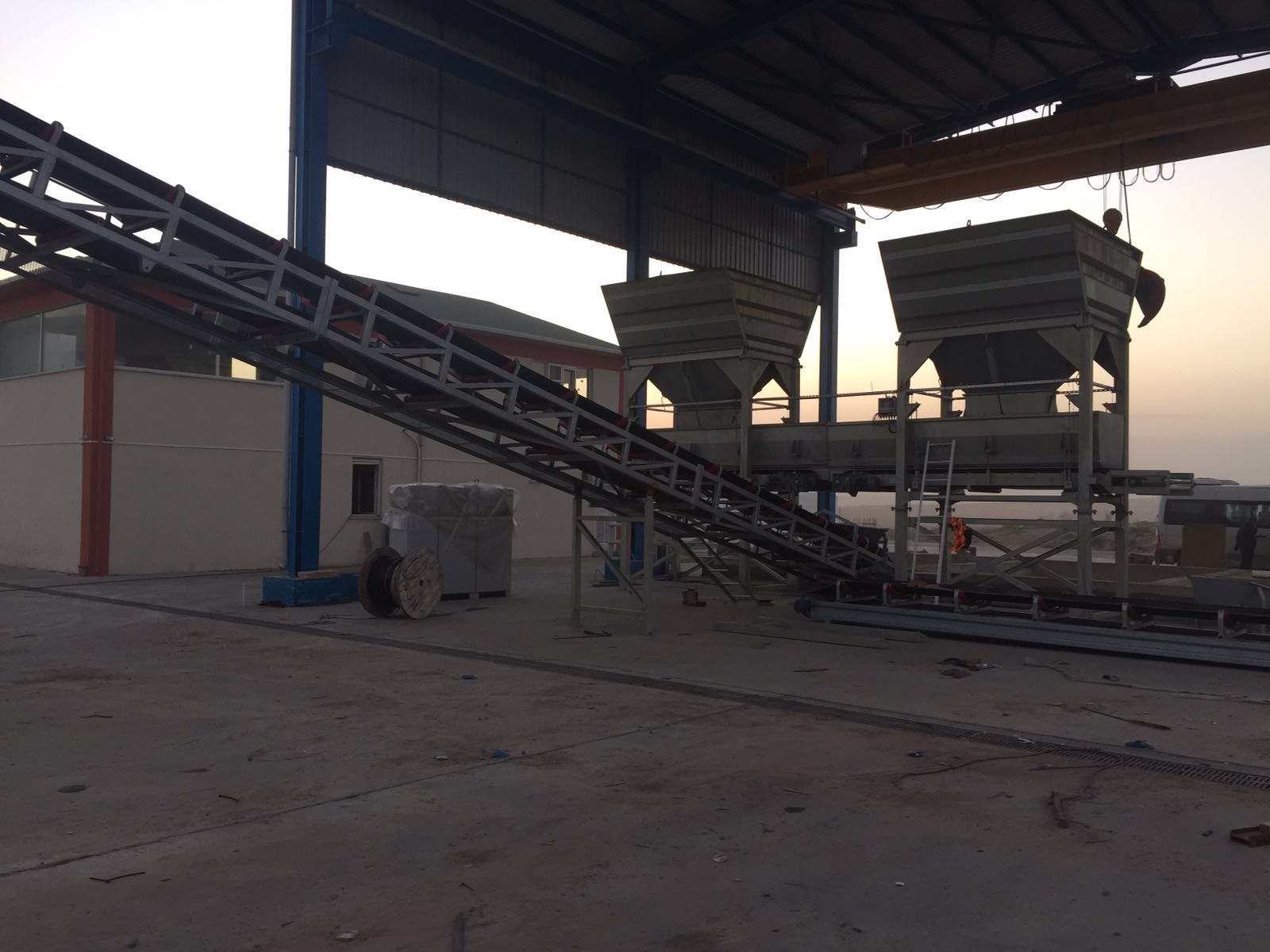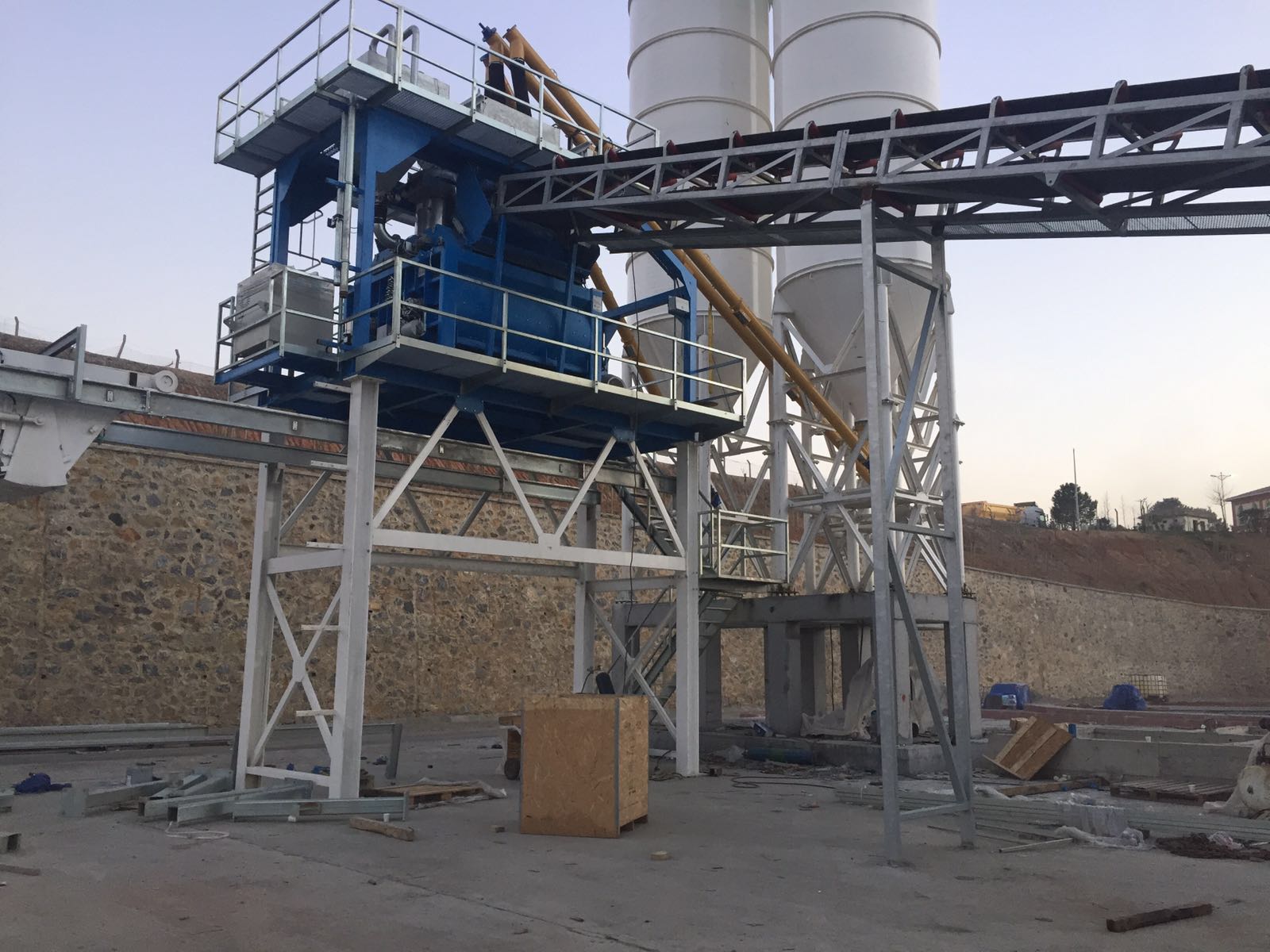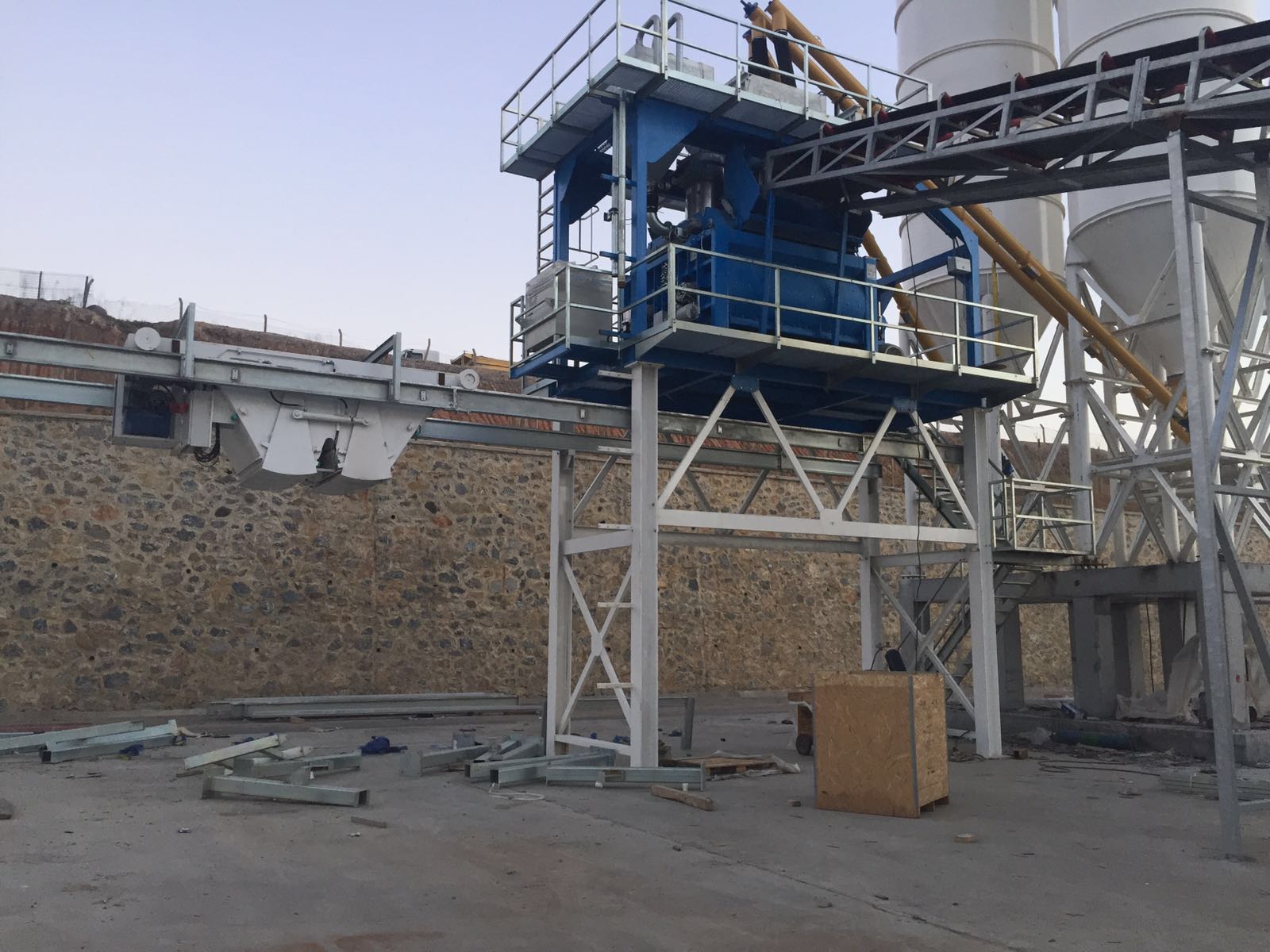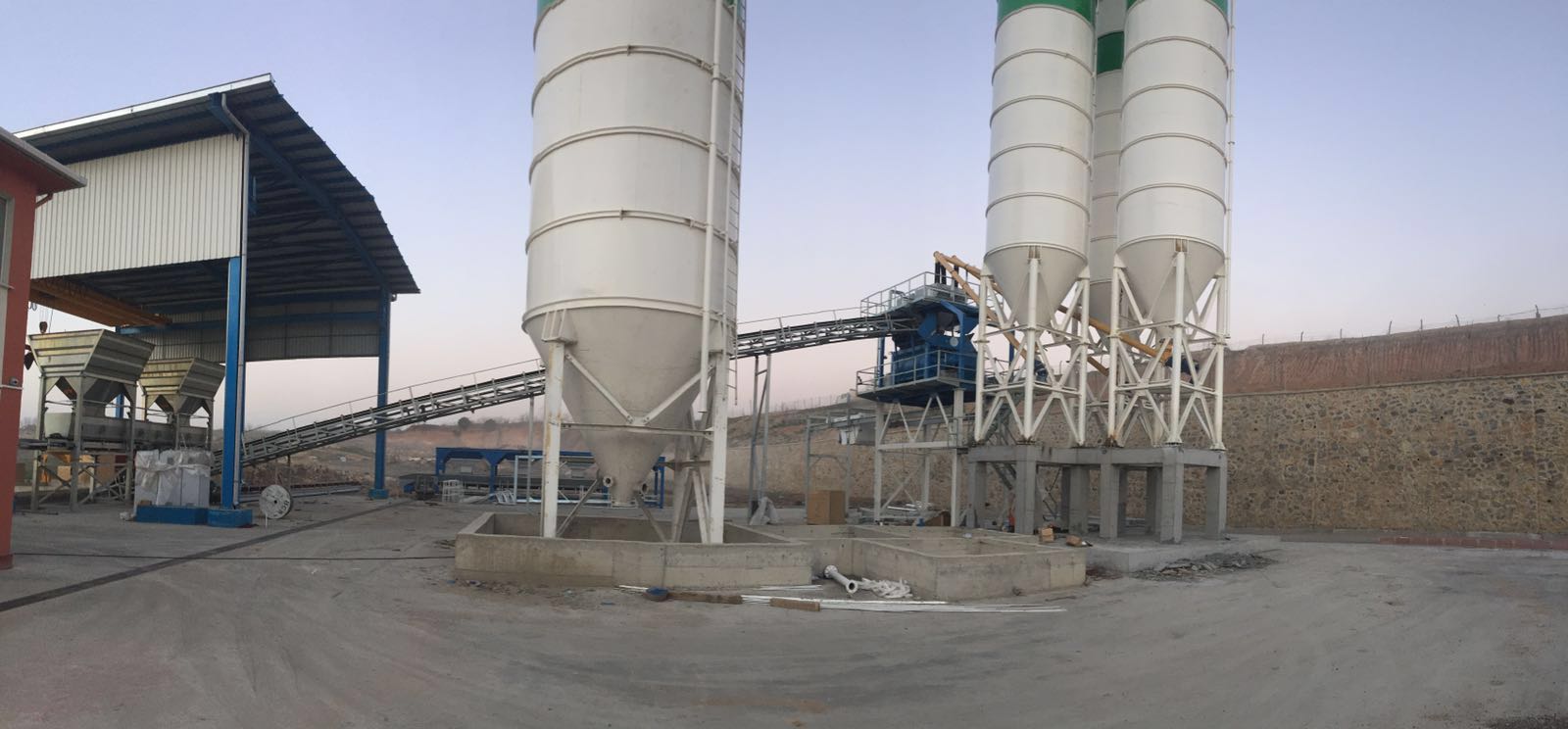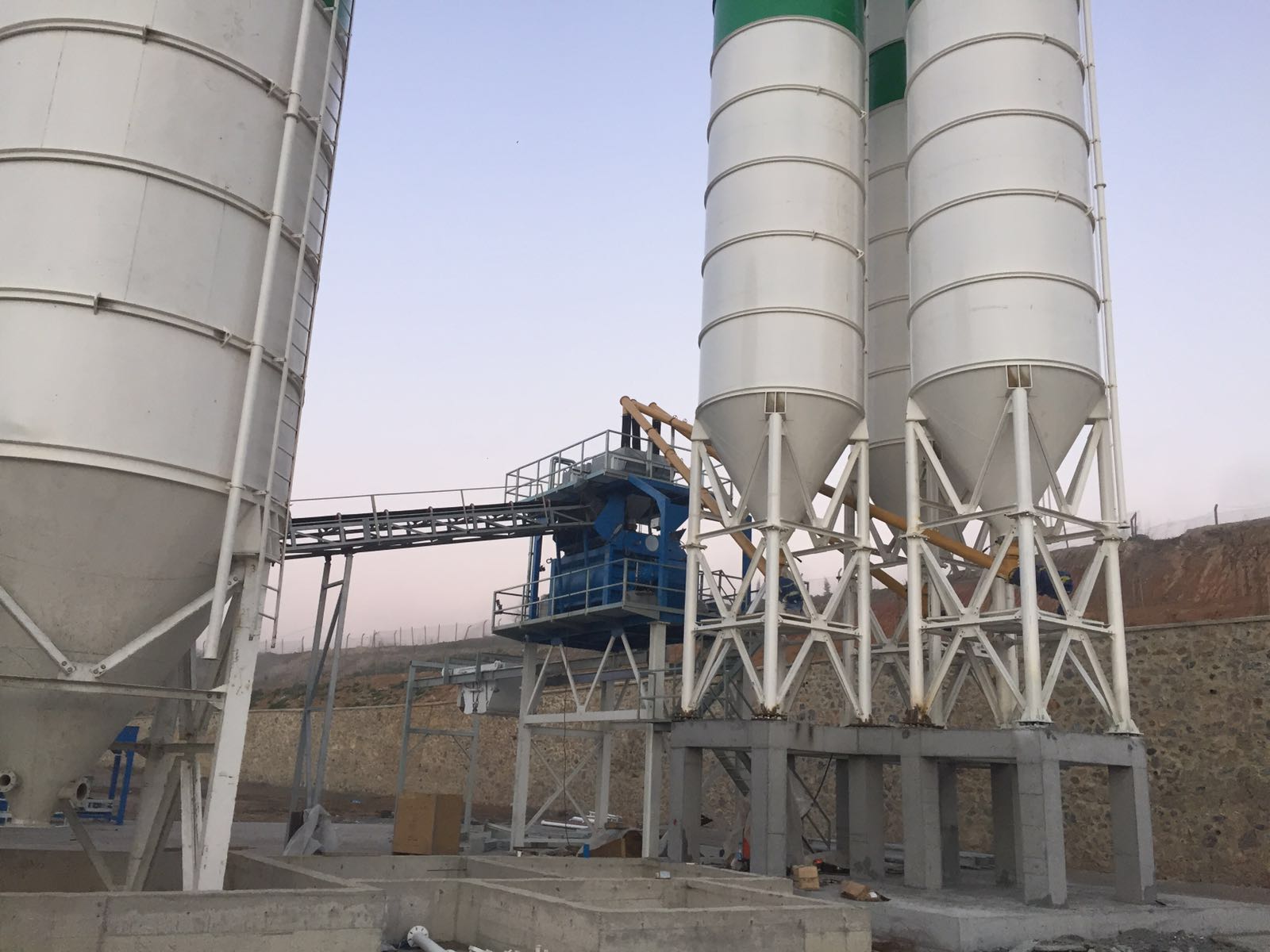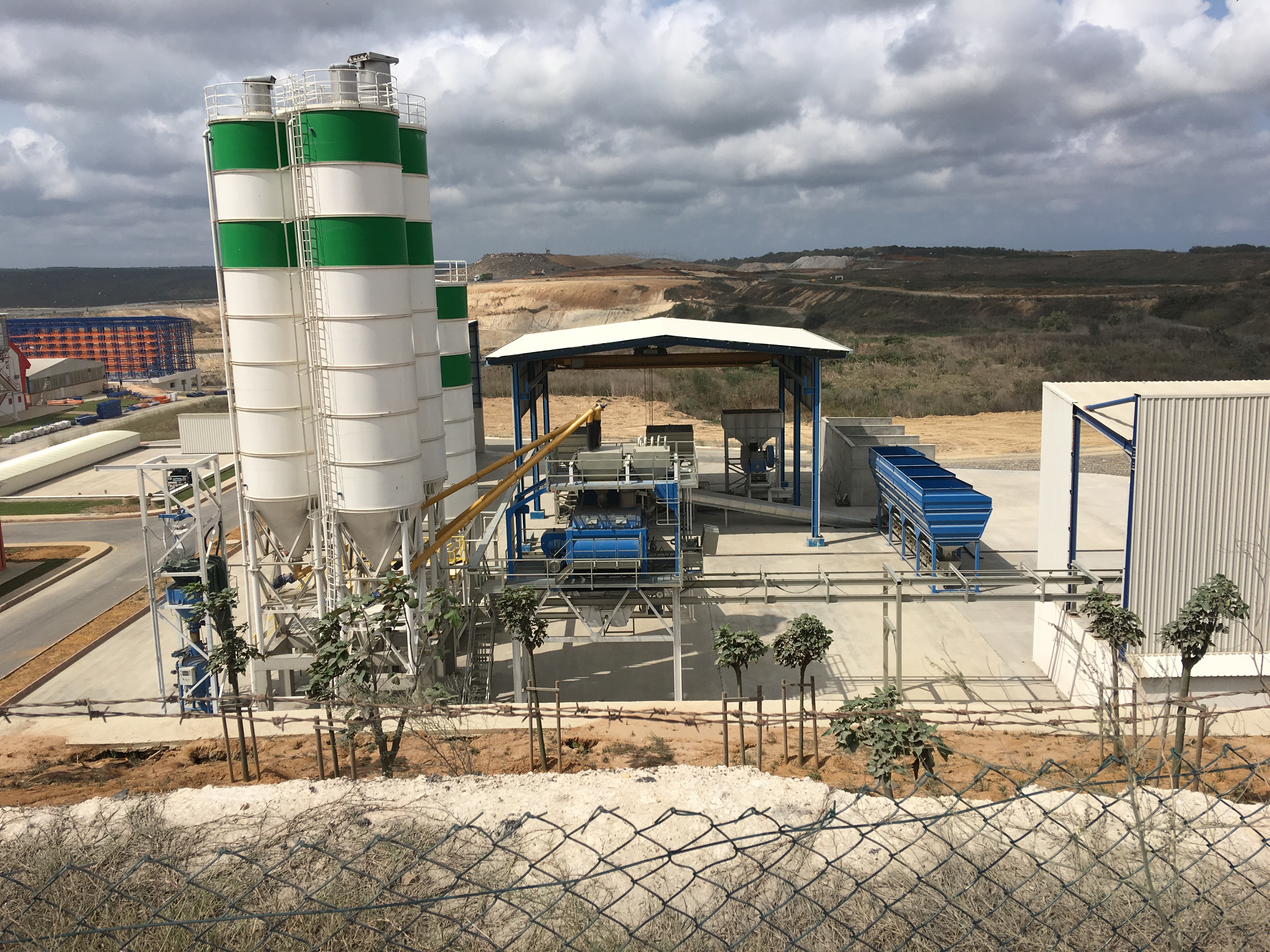
Stabilization and Solidification Facility
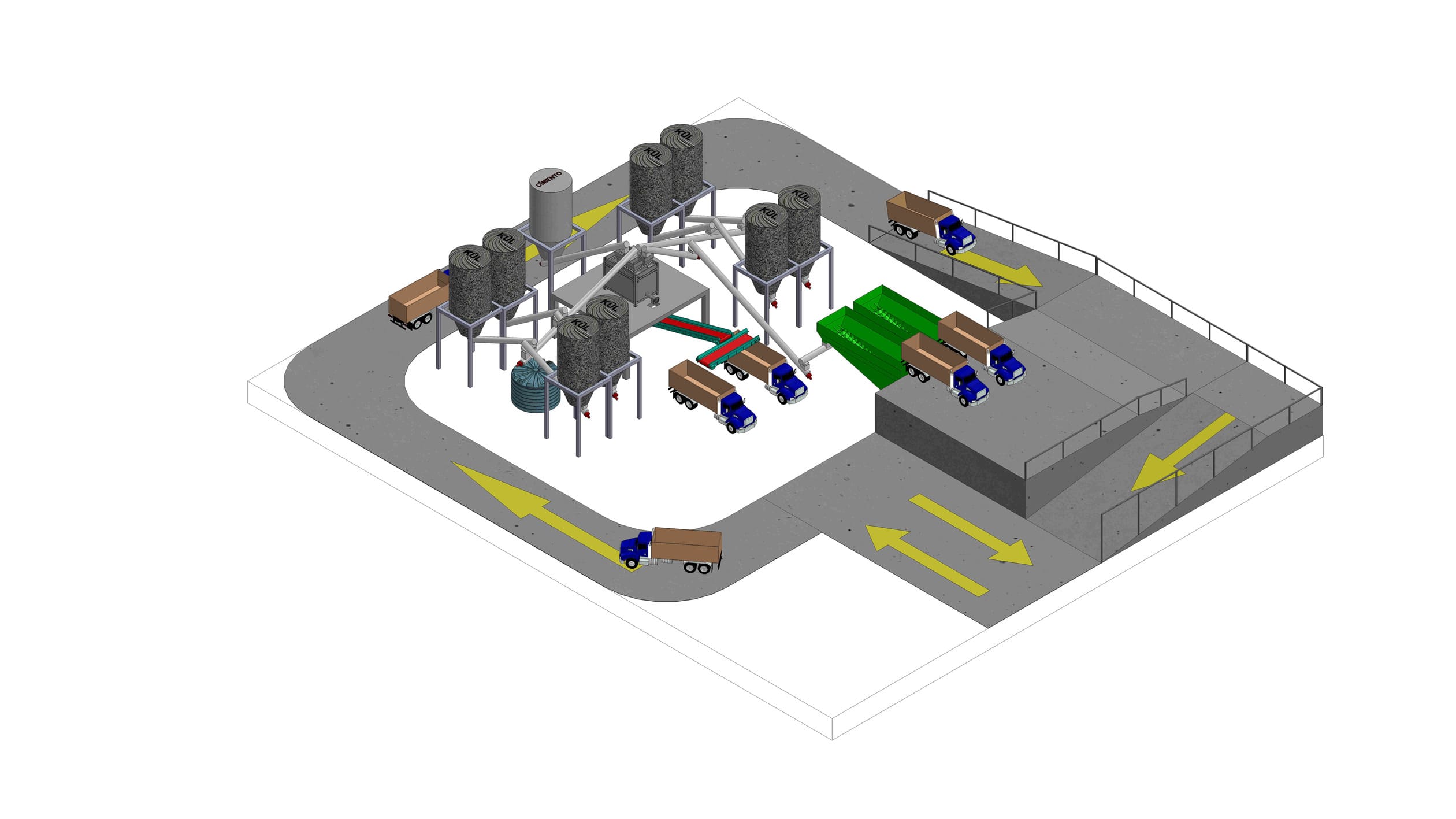
Stabilization and solidification facilities alter the physical and chemical properties of hazardous waste, reducing its harmful effects and enabling safe storage. By minimizing waste's impact on the environment, these facilities protect human health and support sustainable waste management.
Highlights
- Work-Safety Compliant
- Low Maintenance Cost
- Minimum Energy Consumption
- High Wear Resistance
- High Efficiency
From intake to bale
Process steps
- 01
Waste Reception and Pre-Treatment
Hazardous waste is inspected and accepted at the facility's reception area. If necessary, the waste undergoes pre-treatment steps such as size reduction or sorting.
- 02
Stabilization Process
Waste is mixed with various chemical agents (such as binders or stabilizers) to alter its physical and chemical properties. This step reduces the waste's reactivity, making it safe.
- 03
Solidification Process
The stabilized waste is turned into a solid. This is typically achieved by forming a chemical bond within the waste or through polymerization reactions.
- 04
Quality Control and Testing
After solidification, the resulting material is checked for compliance with safety and quality standards. Various physical and chemical tests are performed at this stage.
- 05
Storage or Disposal
Waste that has been properly stabilized and has passed testing is placed in a secure storage area or subjected to disposal procedures.
Main equipment
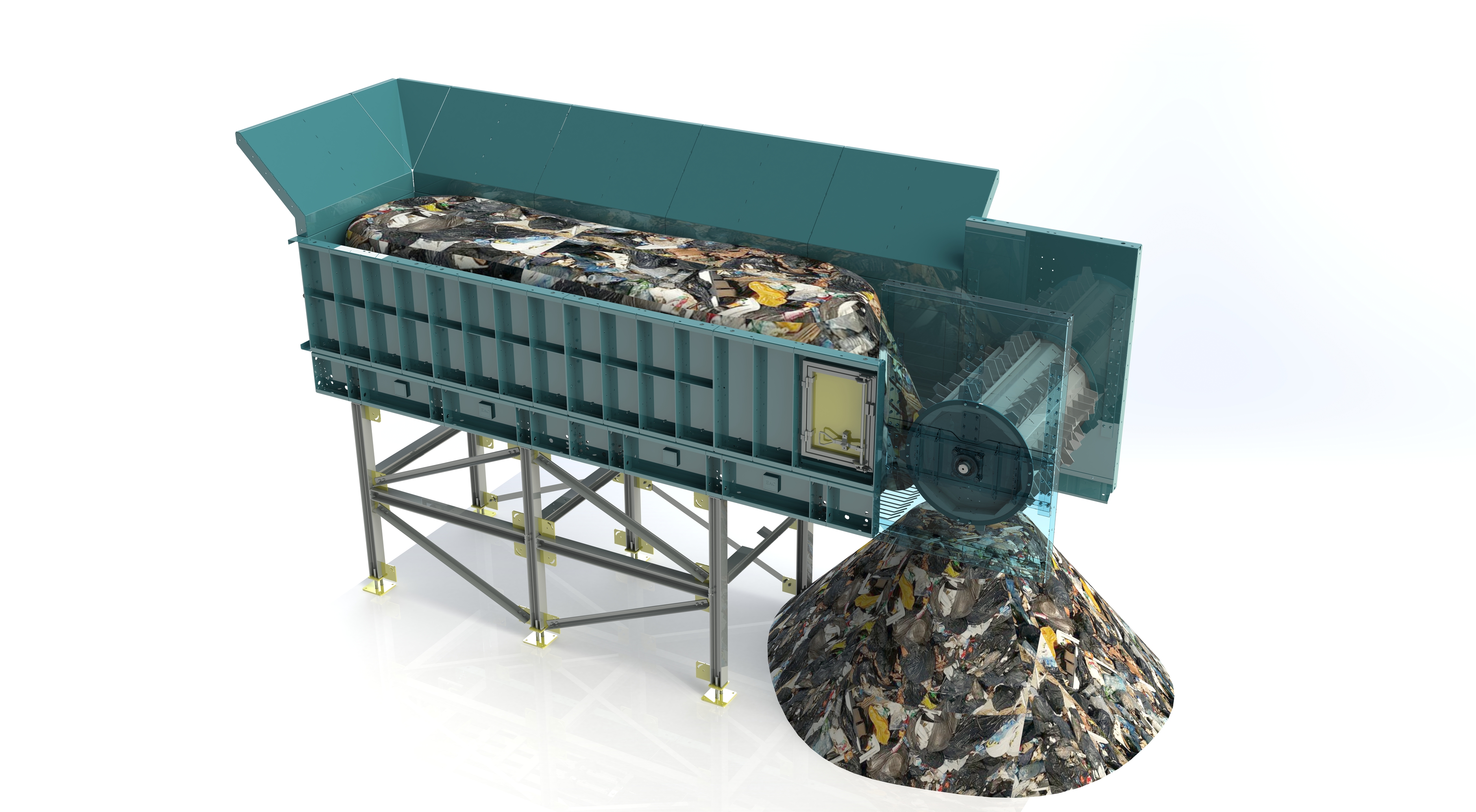
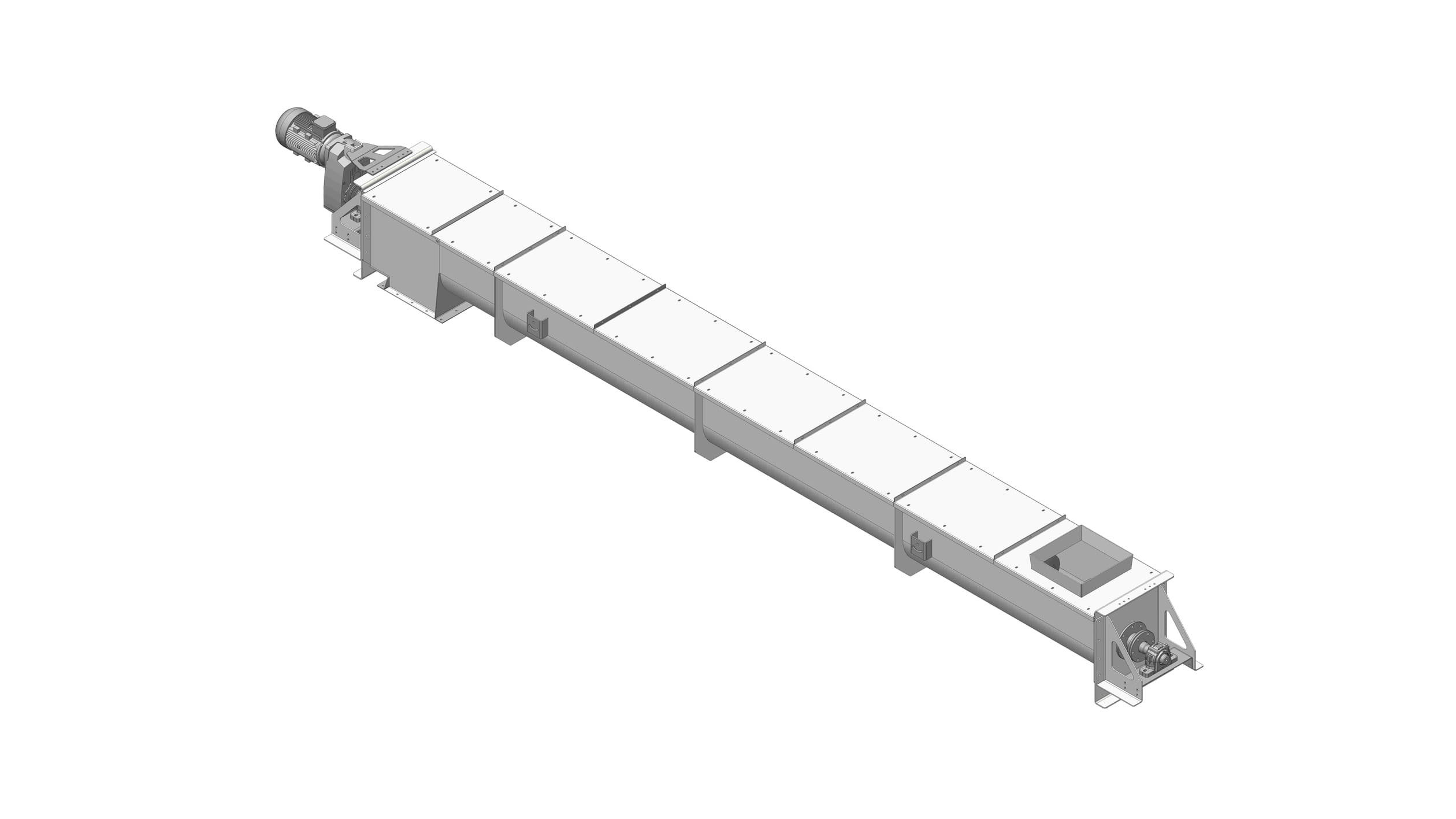
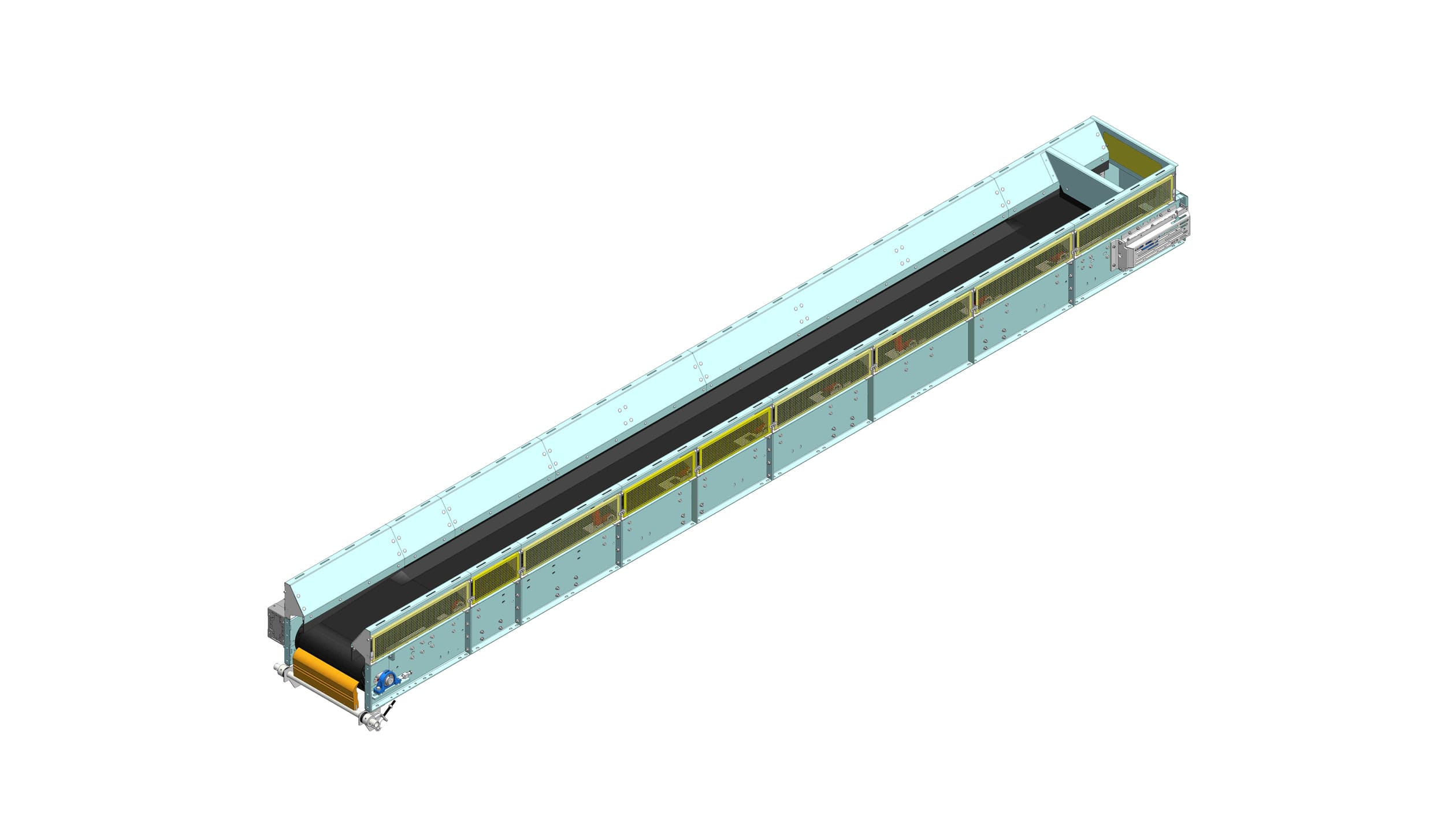
The machines used in this plant, in line order.
Technical catalogue
We'll send this plant's catalogue by email.
From the field